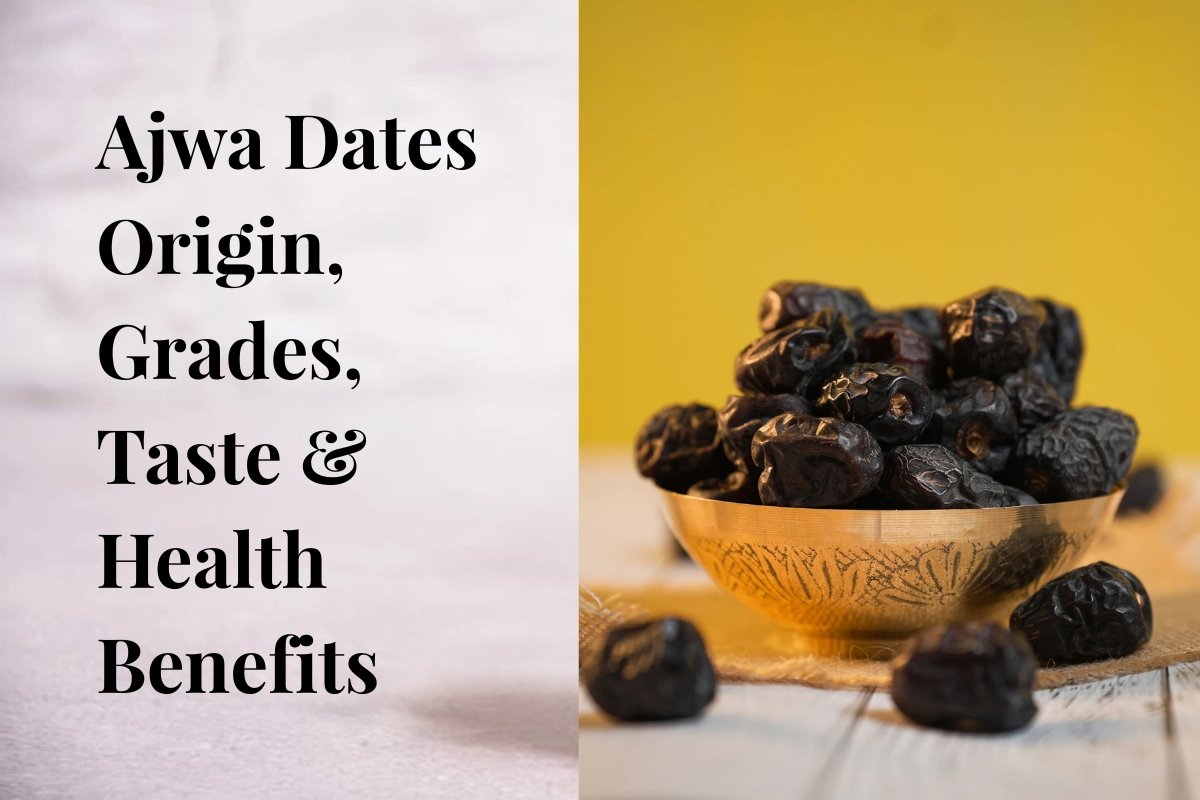
Ajwa Dates are among the most revered and premium varieties of dates in the world. Known for their dark color, soft flesh, and mild sweetness, these sacred fruits from Madinah, Saudi Arabia are cherished for both their spiritual significance and incredible nutritional value.
In this guide, we’ll explore everything you need to know about Ajwa Dates — their health benefits, origin, grading, taste, and how to include them in your daily routine.
Ajwa Dates are a powerhouse of essential vitamins, minerals, antioxidants, and natural sugars. Their regular consumption supports overall health and vitality in many ways:
Ajwa Dates are rich in flavonoids and phenolic compounds that:
Protect against chronic diseases
Boost immune defense
Reduce inflammation and support cardiovascular health
These dates are naturally abundant in potassium and magnesium, which help regulate blood pressure and maintain a steady heartbeat. Their dietary fiber supports cholesterol control, helping to prevent artery blockages.
A natural alternative to processed sugar, Ajwa Dates are ideal for:
Pre-workout snacks
Breaking fasts during Ramadan
Midday energy boosts
Their balanced sugar profile provides long-lasting stamina without energy crashes.
Rich in soluble and insoluble fiber, Ajwa Dates promote smooth digestion and prevent constipation. They nourish beneficial gut bacteria, easing bloating and supporting intestinal health.
Packed with calcium, phosphorus, and vitamin K, Ajwa Dates improve bone density and joint flexibility — ideal for:
Older adults
Pregnant women
Individuals with arthritis or bone weakness
The iron, vitamin B6, and antioxidants in Ajwa Dates help improve memory, concentration, and mental clarity, reducing the risk of neurodegenerative conditions like Alzheimer’s.
Ajwa Dates have a low to moderate glycemic index, meaning they can help stabilize blood sugar levels, reduce sugar cravings, and serve as a healthy replacement for refined sweets.
Ajwa Dates are categorized by their size, texture, and appearance, which determine their grade and market value:
Large, plump, and uniform in size
Grown exclusively in central Madinah farms
Deep black to dark brown with soft, glossy skin
Highly prized for gifts during Ramadan and Hajj season
Medium-sized, slightly firmer texture
Mildly glossy with fewer wrinkles
Perfect for everyday snacking
Budget-friendly while maintaining rich flavor and nutrition
Smaller or mixed sizes
May appear drier or more wrinkled
Nutritionally rich but less visually uniform
Commonly used for bulk sales and industrial packaging
👉 Always check for “Madinah-origin certification” to ensure authenticity and enjoy the true blessings of original Ajwa Dates.
Ajwa Dates have a distinctive taste and feel unlike any other variety:
Texture: Soft, chewy, and slightly fibrous
Sweetness: Mildly sweet with subtle caramel and spice undertones
Aftertaste: Earthy with a hint of cocoa
Color: Deep black to dark brown with a natural sheen
They’re not only a wholesome superfood but also a luxurious treat, perfect for both savory and sweet dishes.
Ajwa Dates can be enjoyed in numerous ways throughout the day:
Eat 3–7 dates on an empty stomach each morning (Sunnah practice)
Blend with milk or almond milk for a nourishing energy drink
Add to smoothies, oatmeal, or shakes for sweetness and texture
Use as a natural sugar substitute in desserts or energy bars
They’re an ideal choice for children, athletes, and elders, providing quick energy and vital nutrients.
To keep Ajwa Dates fresh and flavorful:
Store in an airtight container in a cool, dry place
Avoid direct sunlight and humidity
For longer storage, refrigerate or freeze them
When stored properly, Ajwa Dates can last up to 12 months without losing texture or taste.
Ajwa Dates are a gift of nature and faith — a perfect blend of taste, health, and tradition. Cultivated in the holy land of Madinah, these dates carry immense spiritual significance and nutritional power. Whether you enjoy them for their Sunnah value, health benefits, or simply for their refined taste, Ajwa Dates are a worthy addition to your daily diet.
Explore premium-quality, authentic Ajwa Dates from Barakah Qafila — sourced directly from Madinah and delivered fresh to your doorstep.
Q1. What are the different grades of Ajwa Dates?
They’re classified as:
Premium (Royal Ajwa): Large, soft, glossy, top-grade dates from Madinah.
Grade A: Medium-sized, ideal for daily use.
Grade B: Smaller, drier dates for bulk consumption.
Q2. What does Ajwa taste like?
Soft and mildly sweet, Ajwa has caramel and cinnamon-like notes with a smooth, chewy bite.
Q3. How can I identify real Ajwa Dates?
Look for:
Deep black to dark brown color
Naturally wrinkled yet soft skin
Grown in Madinah, Saudi Arabia
Avoid imitations grown outside Madinah.
Q4. What is the best quality Ajwa?
Royal Ajwa — large, glossy, and soft — is considered the highest grade, hand-harvested from Madinah farms.
Q5. What did the Prophet (ﷺ) say about Ajwa Dates?
The Prophet Muhammad (ﷺ) said:
“Whoever eats seven Ajwa dates in the morning, neither magic nor poison will harm him that day.”
(Sahih al-Bukhari)
This Hadith highlights both their spiritual and health benefits.
Q6. Ajwa vs. Safawi Dates — Which is better?
Ajwa: Softer, mildly sweet, and spiritually significant.
Safawi: Darker, richer, and slightly more fibrous.
Choose Ajwa for tradition, Safawi for deeper sweetness.
Q7. Which dates did the Prophet (ﷺ) eat?
The Prophet (ﷺ) often ate Ajwa, especially from Madinah, but also enjoyed Barni and Sukkari varieties.
Q8. How many Ajwa Dates should I eat daily?
The Sunnah recommends seven Ajwa dates in the morning. For general health, 3–7 dates a day is ideal.
Q9. Which date variety is best overall?
For spiritual value: Ajwa
For sweetness: Sukkari
For energy: Medjool
For taste: Safawi
Ajwa remains unmatched for its combination of faith, nutrition, and flavor.